
Aplastic Anemia in India
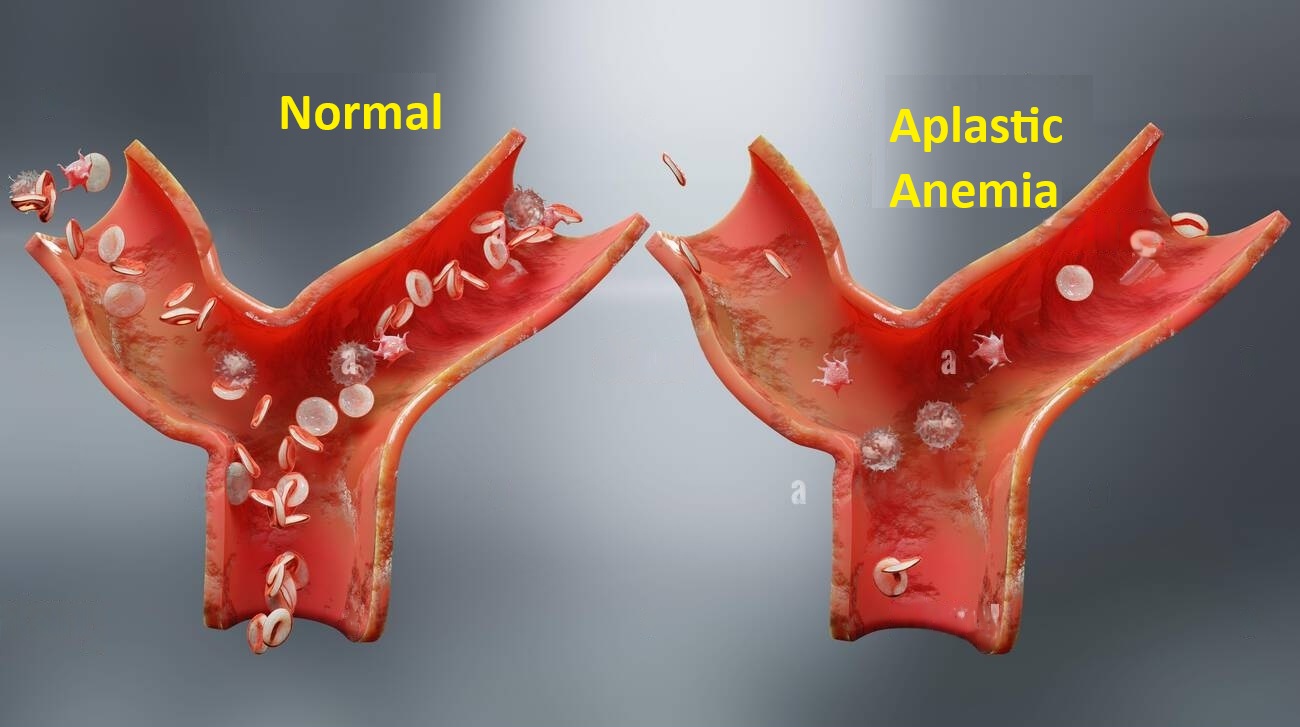
Introduction to Aplastic Anemia Aplastic anemia is a rare but potentially life-threatening blood disorder where the body cannot produce enough blood cells to replace lost or destroyed cells. Also known as aplastic anemia, the illness result...
Treatment Cost
The Indian healthcare system makes treatments for aplastic anemia relatively available, and costs typically lower than Western nations. A lot of hospitals offer aid programs for financial need or collaborate in partnership with non-profit organizations to aid those who are struggling with the cost of treatment.
In the current era of increased focus on innovations and research, the treatment options for the disease of aplastic anemia in India have been expanding. This makes patients able to get high-quality medical care that is specifically tailored to their demands and the severity of their condition.
Initial Diagnosis and Medications:
Aplastic anemia requires thorough diagnostics, including bone marrow biopsies, blood tests, and genetic testing. The cost for initial tests and evaluations ranges between ₹20,000 to ₹50,000 ($250 to $600).
Medications:
Immunosuppressive drugs like ATG (Antithymocyte Globulin) and Cyclosporine are commonly used to manage aplastic anemia. The monthly cost for these medications is around ₹30,000 to ₹50,000 ($350 to $600) depending on the patient’s requirements.
Blood Transfusions:
In severe cases, patients may need frequent blood transfusions, costing around ₹5,000 to ₹15,000 ($60 to $180) per transfusion session.
Bone Marrow Transplant (BMT):
A bone marrow transplant is the most definitive cure for aplastic anemia, especially for younger patients or those with a sibling donor. In India, the cost of an allogenic bone marrow transplant ranges between ₹10 lakh to ₹25 lakh ($12,000 to $30,000), which is significantly lower than in Western countries.
Hospitalization and Post-Treatment Care:
Depending on the duration of hospital stay, recovery period, and any complications, additional costs could range from ₹1 lakh to ₹3 lakh ($1,200 to $3,600). Post-treatment care, including routine follow-ups, is critical to monitor recovery and prevent infections.
In total, the treatment of aplastic anemia in India, including diagnostics, medications, and bone marrow transplant, can range between ₹12 lakh to ₹30 lakh ($14,000 to $36,000). Despite these expenses, India remains a cost-effective option compared to global treatment prices, where bone marrow transplants alone can exceed $100,000.
Top Cities
India has many cities equipped with modern medical facilities, offering a comprehensive anemia treatment to patients who have been who suffer from aplastic anemia. They are outfitted with specialist hospitals and clinics which provide a range of treatments, which include immunosuppressive therapies and stem cell transplantation and support care. Here are the most prestigious cities recognized for their proficiency in the treatment of aplasticanemia.
| City | Key Hospitals and Institutes | Treatment Options |
|---|---|---|
| Delhi | All India Institute of Medical Sciences (AIIMS), Fortis Hospital | Immunosuppressive therapy, stem cell transplantation, supportive care |
| Mumbai | Tata Memorial Hospital, Lilavati Hospital | Comprehensive treatment including stem cell transplants and research options |
| Chennai | Christian Medical College (CMC) Vellore, Apollo Hospitals | Immunosuppressive therapy, blood transfusions, iron chelation therapy |
| Bangalore | Manipal Hospital, Fortis La Femme Hospital | Aplastic anemia therapy, including advanced transplant options |
| Hyderabad | Nizam's Institute of Medical Sciences (NIMS), Apollo Health City | Immunosuppressive treatment, stem cell transplant services |
| Kolkata | SSKM Hospital, Apollo Gleneagles Hospital | Blood transfusions, supportive care, and immunotherapy |
| Pune | Ruby Hall Clinic, Jehangir Hospital | Comprehensive treatment options including supportive therapies |
| Ahmedabad | Kiran Multispeciality Hospital, Apollo Hospitals | Immunosuppressive therapy, blood transfusions, patient counseling |
| Jaipur | Sawai Man Singh Medical College, Fortis Escorts Hospital | Blood transfusions, basic immunotherapy, and follow-up care |
| Lucknow | King George's Medical University (KGMU), Era's Lucknow Medical College | Supportive care, blood transfusions, and initial treatment options |
More Information
Step-by-Step Procedure for Aplastic Anemia Treatment in India
Treatment for Aplastic Anemia is a complex process, ranging beginning with the diagnosis, and ending with post-treatment treatment. In India the medical establishments adhere to established guidelines to treat aplastic anemia and may also include treatment with immunosuppressive drugs, stem cell transplantation, or other supportive treatment. Here is a step-by-step manual that outlines the standard method of treating aplasticanemia.
Step 1: Initial Diagnosis
- Medical History and Physical Exam This process starts with an extensive medical history as well as a physical exam performed by a hematologist. Doctors evaluate symptoms like fatigue, frequent infections or unintentional bruising. These can be signs and symptoms of Aplastic Anemia.
- Blood tests: The complete blood counts (CBC) tests are conducted to measure the amount of blood red cells and white blood cells and platelets. Aplastic anemia.
- The Bone Marrow Biopsy In the event that the blood tests show aplastic anemia the bone marrow biopsy will be conducted to evaluate bone marrow function. It helps to determine the extent of the illness and also rule out any other illnesses including leukemia.
Step 2: Assessing Severity
- Classification: Aplastic anemia can be classified as moderate, mild or severe, based on blood count and existence of signs. This classification provides treatment options.
- Consultation with specialists: Depending on the severity of the condition, consults with experts, like transplant surgeons as well as hematologists could be needed to review the treatment alternatives.
Step 3: Treatment Options
1. Patients that aren't eligible for stem cell transplant, an immunosuppressive treatment is usually the initial option for treatment. It could be:
- Antithymocyte Globulin (ATG) It is administered intravenously in order to lessen the effect of the immune system's attacks on bone the marrow.
- Cyclosporine is taken orally in the form of intravenous injections to block the immune system.
2. Stem Cell Transplantation: If you suffer from Aplastic anemia that is severe An allogeneic bone marrow transplant should be contemplated. The steps comprise:
- Locating a donor: Finding an appropriate donor is essential and could involve families or non-related donors.
- Pre-transplant preparation: Patients go through treatments for conditioning, which could comprise radiation therapy or chemotherapy, in order to prepare their body for the transplant.
3. Supportive Care: No matter the treatments, supportive care can play crucial roles in addressing the signs and symptoms associated with Aplastic Anemia. This is a case of:
- Blood Transfusions are used to treat anemia and lower platelet counts.
- Antibiotics: To stop and treat infection due to lower white blood cell count.
- Iron Chelation Therapy: for those who receive several blood transfusions in order to reduce the overload of iron.
Step 4: Post-Treatment Monitoring
- Follow-up Treatment: Regular follow-up appointments is essential for monitoring recuperation, evaluate blood counts and control any adverse negative effects.
- Chronic Care: Patients need ongoing monitoring for possible complications including relapses, or secondary cancers resulting from the immunosuppressive treatment.
- Recovery and support: emotional and psychotherapy, which includes counselling and support groups can be useful in helping families and patients adjust to the new life after treatment.
Step 5: Managing Hypoplastic Anemia
In the case of patients who have hypoplastic anemia, treatment might focus on gentler treatments as opposed to those with severe anemia. It could be:
- Supportive and monitoring.
- If needed, low-intensity immunosuppressive treatment.
Recovery Process and Post-Procedure Care for Aplastic Anemia Disease in India
The process of recovery as well as post-procedure support for patients suffering from aplastic anemia condition in India are essential components of a successful treatment for aplastic anemia. Following treatment, be it via immunosuppressive therapy or stem cells transplantation patients require constant monitoring and a comprehensive treatment plan to ensure the best healing. This article provides a comprehensive description of the procedure for recovering and the post-procedure follow-up care.
Step 1: Immediate Post-Treatment Monitoring
- Hospitalization: Following procedures like bone marrow transplantation or beginning of immunosuppressive treatment Patients are typically admitted to hospital for several days or weeks, based on their health condition and treatment form. It is essential to keep track of keeping track of issues.
- The monitoring of Vital Signs Health specialists continuously monitor vital indicators such as blood pressure, heart rate as well as oxygen levels in order to identify early warning signs of issues.
- Blood tests: Regular blood tests are carried out to check blood cell counts. This includes red blood cells as well as white blood cells and platelets. This aids in managing the the symptoms and signs of aplastic anemia efficiently.
Step 2: Managing Side Effects
Prevention of Infections Patients may be at greater risk of contracting infections due to a low number of white blood cell count. The precautions could be taken to:
- Antibiotic Prophylaxis: Use of antibiotics in order to avoid infection during the neutropenic phase (low white blood cells count).
- Infection Prevention: Maintaining the patient in a sterilized setting to reduce the risk of exposure to pathogens.
Food Support: A well-balanced diet is vital to recovery. The nutritional support can comprise:
- Specialized Diet Plan: Created by dietitians in order to guarantee adequate calories and a balanced diet.
- Hydration: Keeping hydrated is essential for general fitness and health.
Management of Fatigue and Other Symptoms People often complain of tiredness and weakness during the recuperation. Healthcare providers may recommend:
- Gradual increase in activity: Encouragement of moderate physical activity when is tolerated. Gradual increases dependent on each individual's capacity.
- The Management of Symptoms: Treatments and treatments to treat the pain and nausea as well as the other symptoms that are that are associated with the treatment.
Step 3: Follow-Up Care
Regular check-ups after the discharge, patients must have periodic follow-up visits with their hematologist in order to track healing progress. The typical follow-up visits include:
- Continuous monitoring of the blood cells to determine the extent of recovery from aplastic anemia condition.
- Physical Examination: Examine to determine if there are any possible complications or indications of Relapse.
Continuous Monitoring: Patients that are undergoing treatments, such as stem cell transplantation might require regular follow-up for a long time to determine:
- Graft-Versus Host Disease (GVHD) The process of monitoring for the signs of GVHD when a transplant has been carried out.
- Relapse: Examining for Aplastic anemia recurrence.
Psychosocial Support: Mental Health is essential to recovery. The types of support be provided through:
- Counseling Services: Offering emotional assistance to patients in helping them overcome the psychological aspects of their treatment and diagnosis.
- Support groups: Connecting to other people who've experienced similar situations is beneficial.
Step 4: Lifestyle Adjustments
Healthful Lifestyle Options: Patients are urged to live a healthier lifestyle that includes:
- Regular exercise: Participating in moderate or mild exercises to build health and strength, according to the recommended by their health care team.
- To avoid infection, practice proper hygiene practices, including regularly washing your hands and avoid crowds, particularly during the initial stages of treatment.
Watching for the signs for Signs Hypoplastic Anemia: In the event that patients are diagnosed with hypoplastic anemia they need to keep an eye on:
- The signs of progression: Recognition of any symptoms that are becoming worse or more severe which could indicate any changes to their health.
Patient Testimonials for Aplastic Anemia Disease Treatment in India
The patient testimonials offer valuable insight about the lives of people who undergo treatment for aplastic anemia in India. They often describe the path from diagnosis to recuperation and the difficulties faced and the effects of Aplastic Anemia treatment on the lives of patients. Here are some inspirational testimonials of patients who battled the disease of aplastic anemia in India.
Testimonial 1: Priya, 34, Mumbai
"When I was diagnosed with aplastic anemia, I felt lost and overwhelmed. I had been experiencing severe fatigue and frequent infections--classic signs and symptoms of aplastic anemia. My doctor at Tata Memorial Hospital recommended a treatment plan that included immunosuppressive therapy. The staff was incredibly supportive, guiding me through every step. Today, after months of treatment, my blood counts are stabilizing, and I feel like I'm getting my life back. I can't thank my medical team enough for their dedication and care."
Testimonial 2: Rajesh, 42, Bangalore
"After my diagnosis of severe aplastic anemia, I was terrified of the prognosis. My doctor explained all the possible treatments, including stem cell transplantation. I opted for a transplant, and the care I received at Manipal Hospital was exceptional. The nurses were compassionate, and the entire team was proactive in managing any complications that arose. I am now two years post-transplant, and I feel healthier than I have in years. I am so grateful for the aplastic anemia treatment that saved my life."
Testimonial 3: Anjali, 28, Delhi
"I was diagnosed with hypoplastic anemia, which was a challenging journey. My symptoms were confusing and frustrating. Thankfully, my hematologist at AIIMS had extensive experience with aplastic anemia disease and recommended a tailored aplastic anemia therapy plan. The support from my family and healthcare team made a huge difference in my recovery. Now, I lead a normal life and am more aware of my health. Regular follow-ups have helped me stay on track."
Testimonial 4: Mohan, 55, Chennai
"Being diagnosed as having aplastic anemia came as shocking for me. I'd been suffering in constant fatigue and I didn't understand the reason. In Apollo Hospital, my treatment included a variety of treatments that included immunosuppressive therapy. The medical staff was amazing; they offered psychological support in addition to medical treatment. I'm now part of the regular group in regular follow-up visits to check my blood count which is why I am glad to report that my overall condition has improved significantly. I would advise anyone suffering from this illness to seek prompt medical attention.
Testimonial 5: Rina, 31, Hyderabad
"My journey with aplastic anemia began with persistent weakness and bruising, which I dismissed until they became unmanageable. After thorough testing at Nizam's Institute of Medical Sciences, I learned I had aplastic anemia disease. The doctors recommended a comprehensive treatment plan that included aplastic anemia therapy and regular monitoring. Their dedication helped me understand what I was going through, and today, I feel stronger and more energetic. My story is one of hope, and I believe that with the right treatment, others can overcome this condition too."
Quality Accreditations and Certifications for Aplastic Anemia Treatment in India
In India treating the disease of aplastic anemia requires a range of health facilities, such as clinics and hospitals that are held to the highest standards of health and safety. Accreditations and certificates are vital in making sure that these health facilities provide efficient aplastic anemia treatment, and also maintain high quality of the care of patients. Below is a summary of the most important quality accreditations and certificates that are relevant to treating aplastic anemia and their significance for the treatment of aplastic anemia.
1. National Accreditation Board for Hospitals & Healthcare Providers (NABH)
- Introduction: NABH is a constituent board of the Quality Council of India, established to create and run an accreditation program that is available to healthcare providers within India.
- Important: Hospitals that are that are accredited by NABH show adherence to international standards for healthcare quality and safety for patients. It ensures that hospitals providing treatments for the disease use the best methods for the treatment of patients.
- Relevance: Hospitals that are accredited tend to have greater facilities, staff with experience, and procedures in place to manage the signs and symptoms of aplastic anemia efficiently.
2. Joint Commission International (JCI)
- Introduction: JCI is a globally accredited accreditor for healthcare organisations. The organization evaluates hospitals based on internationally accepted standards of care.
- The importance of JCI accreditation means the hospital is in compliance with strict international safety and quality standards and is a reliable alternative for those looking for Aplastic Anemia treatment.
- Relevance: Accredited JCI institutions typically are equipped with advanced medical technology and treatment strategies that are specialized which improve the effectiveness of the treatment for aplastic anemia.
3. ISO Certification
- Introduction: ISO (International Organization for Standardization) offers certification for a variety of management systems, such as ones related to quality of healthcare management.
- Important: Hospitals that have ISO certifications are committed to ensuring the highest standards of quality for their operation and treatment procedures.
- Relevance The ISO-certified establishments are usually equipped to manage difficult medical issues, such as Aplastic Anemia, which ensures safe treatment for patients as well as patient safety.
4. American College of Surgeons (ACS) Commission on Cancer (CoC)
- Summary Description: The CoC is an acknowledged expert in the field of cancer treatment that awards accreditation to all hospitals that are in compliance with the most stringent standards to treat cancer.
- The importance of this is that hospitals that are accredited by the CoC typically have cancer treatment plans that incorporate the hematological malignancies that make them ideal for patients who have problems related to aplasticanemia.
- Relevance: This accreditation assures that patients get comprehensive treatment that includes access to cutting-edge treatment options for aplastic anemia.
5. Clinical Trial Registries
- Introduction: All institutions participating in clinical trials of novel treatments to treat aplastic anemia are required to register in registries for clinical trials that are recognized for example, CTRI. Clinical Trials Registry (CTRI) India (CTRI).
- The importance of participating in clinical trials demonstrates that the institution's dedication to research and development for treating illnesses such as Aplastic Anemia.
- Relevance: Patients could get the benefit of cutting-edge treatments and therapies being developed to treat aplastic anemia.
Accommodations and Facilities for Patients and Families of Aplastic Anemia Disease in India
In the course of dealing with aplastic illness, patients and their families are often faced with significant difficulties, such as frequent hospital visits, long treatments, and psychological anxiety. To help them navigate the process, many health institutions located in India provide a variety of accommodation and services specifically designed to help make the process easier and more easy. This is an review of the facilities and amenities available to those undergoing treatment for aplastic anemia as well as their families.
1. Patient Rooms and Accommodations
- Private and semi-private rooms The majority of hospitals that offer Aplastic Anemia treatment offer the option to have private or semi-private rooms. Private rooms offer greater security and privacy and are more comfortable, whereas semi-private rooms can provide a better value.
- Pediatric Wards: To accommodate children patients, the hospitals usually contain specialized pediatric wards that have been designed to meet the needs of children, with children-friendly spaces and games.
- Facilities with Comfort Amenities: A lot of locations offer facilities with amenities such as televisions, Wi-Fi connectivity as well as comfortable seating that improve the experience of patients throughout long sessions of treatment.
2. Family Accommodations
- Hotels and guest houses Certain hospitals are equipped with guest houses, or they can suggest close-by accommodations to family members that need to be near to the patient. The guest houses typically offer inexpensive lodging with the necessary features.
- Family Waiting Areas for Families: The hospitals typically have family waiting rooms, furnished with comfy seating with refreshments, as well as documents to ensure families can enjoy a relaxing time as they wait for news about the health of their beloved family members.
3. Nutritional Support
- Hospital dining: Many health institutions offer healthy meals that are tailored to the diet demands of those undergoing the treatment for aplastic anemia. Dieticians are often working with patients to develop meals that aid in healing and keep energy levels high.
- Cafeterias for families: Cafeterias generally are open to families, and offer various meals that can accommodate different diet preferences.
4. Emotional and Psychological Support
- Healthcare facilities often offer counseling services or psychologists that can help the family and patient with the stress and emotional issues that come by aplasticanemia. Groups for support may be offered, which allow patients to be connected with people who are facing similar issues.
- Patients Navigators: Certain health institutions have family navigators to assist patients to navigate through the process of treatment to ensure that they know the procedure and resources that are that are available to them.
5. Transportation and Accessibility
- Hospital Transport Services: Most hospitals provide transport for patients that require help for getting to appointments and back especially for patients suffering from mobility issues.
- Accessibility features: Most facilities adhere to accessibility standards and provide wheelchair accessibility as well as ramps, elevators and wheelchairs in order to ensure that every patient as well as their families can comfortably move through the facility.
6. Information and Resources
- Education Materials: Hospitals typically offer educational materials and brochures which outline the signs and symptoms of aplasticanemia, the treatment options available, as well as management strategies. The information is helpful to families comprehend the illness as well as its treatment.
- Workshops and seminars: A few institutions organize seminars and workshops in order to inform families and patients regarding aplastic and anemia treatment as well as self-care techniques and changes to lifestyles during the treatment.
7. Community and Volunteer Support
- Volunteer Programs: A lot of hospitals have programs for volunteers where skilled volunteers provide assistance and companionship for families and patients, aiding in easing the anxiety of being treated.
- Community Resources: Many hospitals collaborate with local organizations which provide other resources that include financing, transportation and even home care.
Frequently Asked Questions
Common queries about this treatment from international patients.